



The Great Migration in Serengeti
The Great Migration is one of Africa’s unforgettable safari experiences. Huge herds of wildebeest, zebra and gazelles cross the Serengeti plains in search of fresh grass and water.
With Oltome Adventures & Safaris, experience this journey in the heart of Tanzania. We plan your safari around the season to give you the best opportunity to encounter the herds, landscapes and memorable moments of Serengeti.

The Great Migration is a continuous cycle through the Serengeti ecosystem in Tanzania and Maasai Mara in Kenya. The animals follow rainfall, fresh grazing and water.
Beyond the vast herds, it reveals the cycle of life: predators following their prey, newborn animals taking their first steps and remarkable moments of survival.
During your safari, you may encounter:
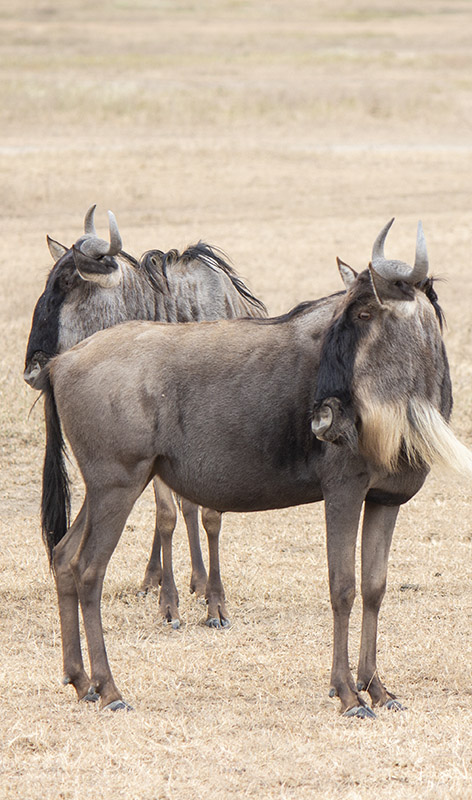
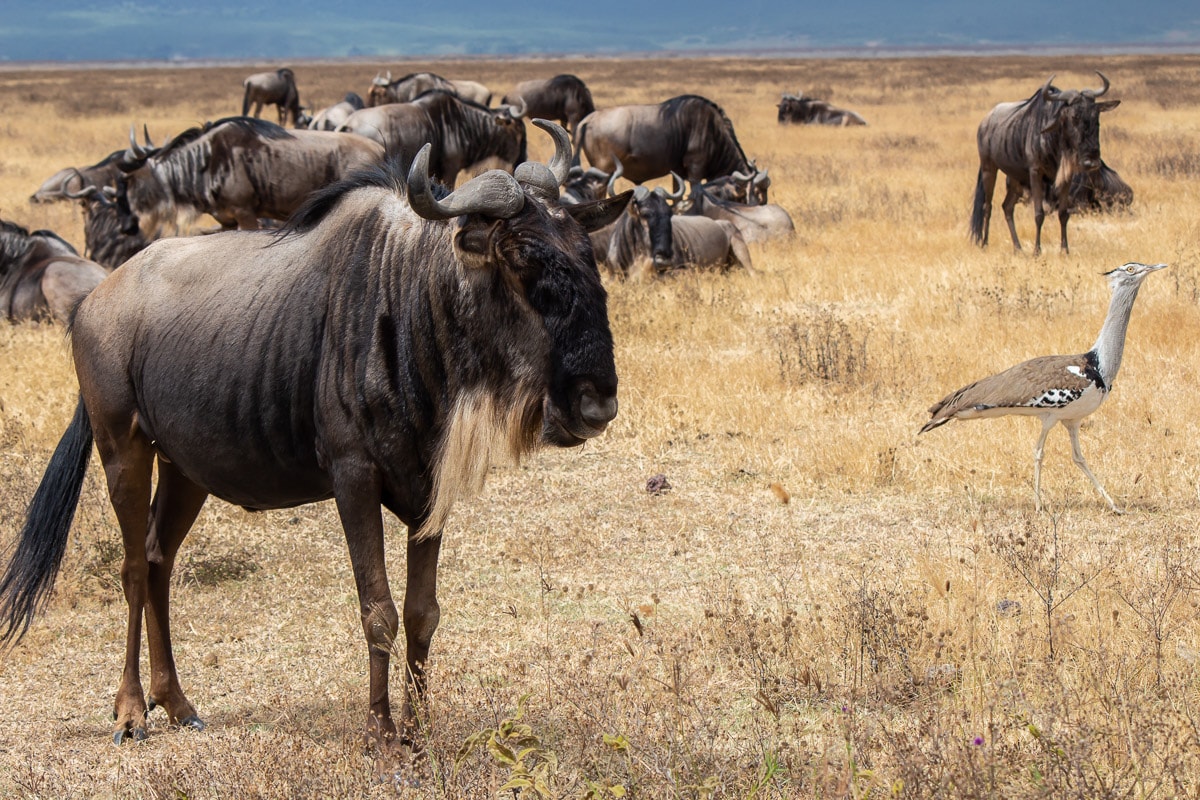
- Vast herds of wildebeest
- Hundreds of thousands of zebra
- Thomson’s gazelles and other antelope
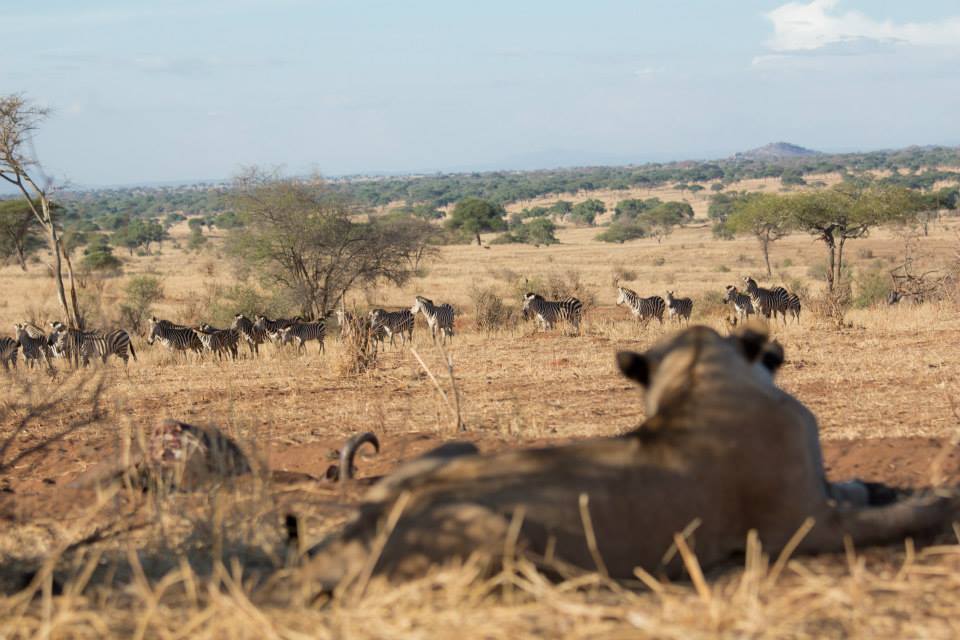
- Lions following the herds
- Leopards resting in trees
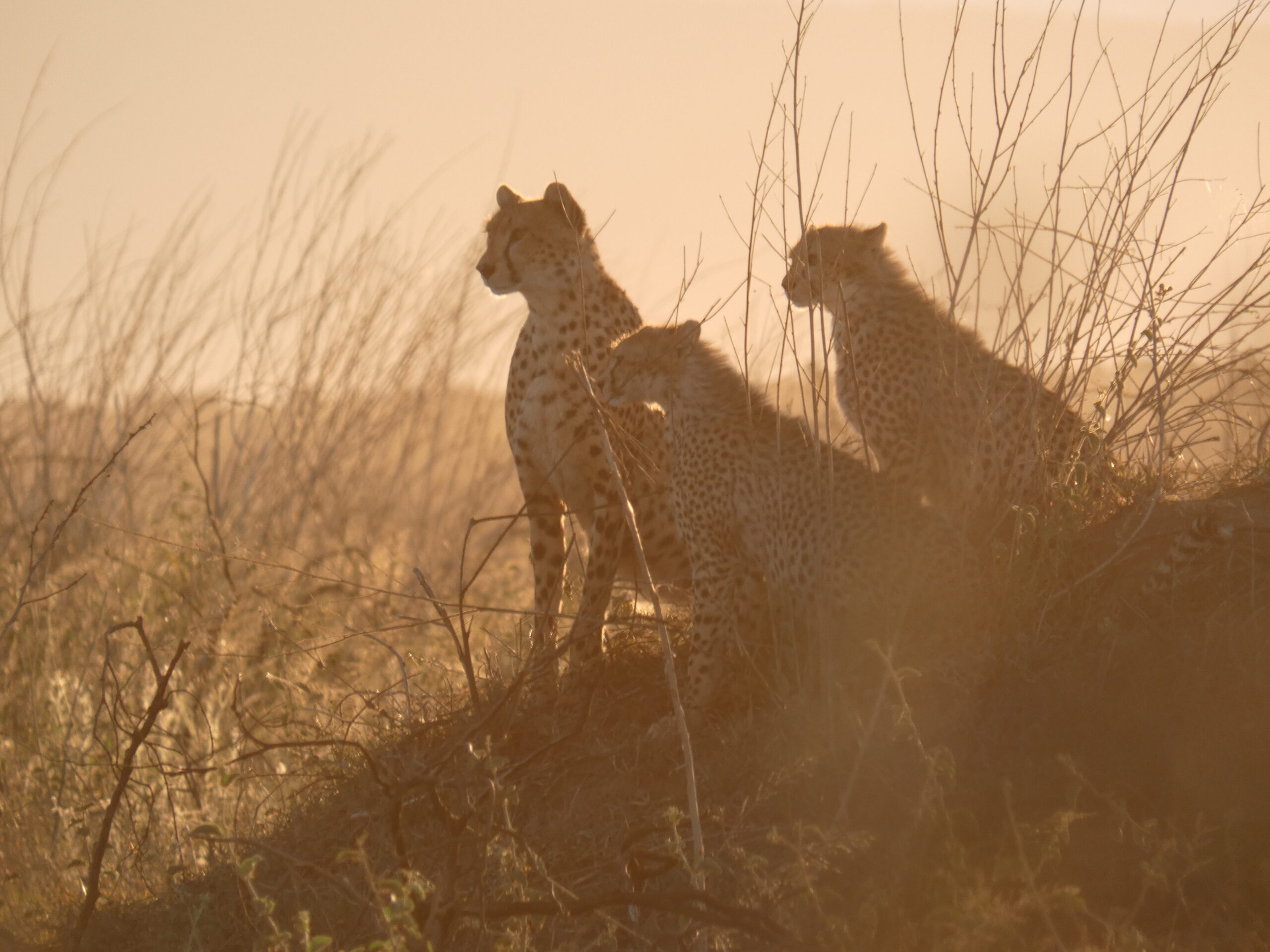
- Cheetahs hunting on the plains
- Crocodiles waiting in the rivers
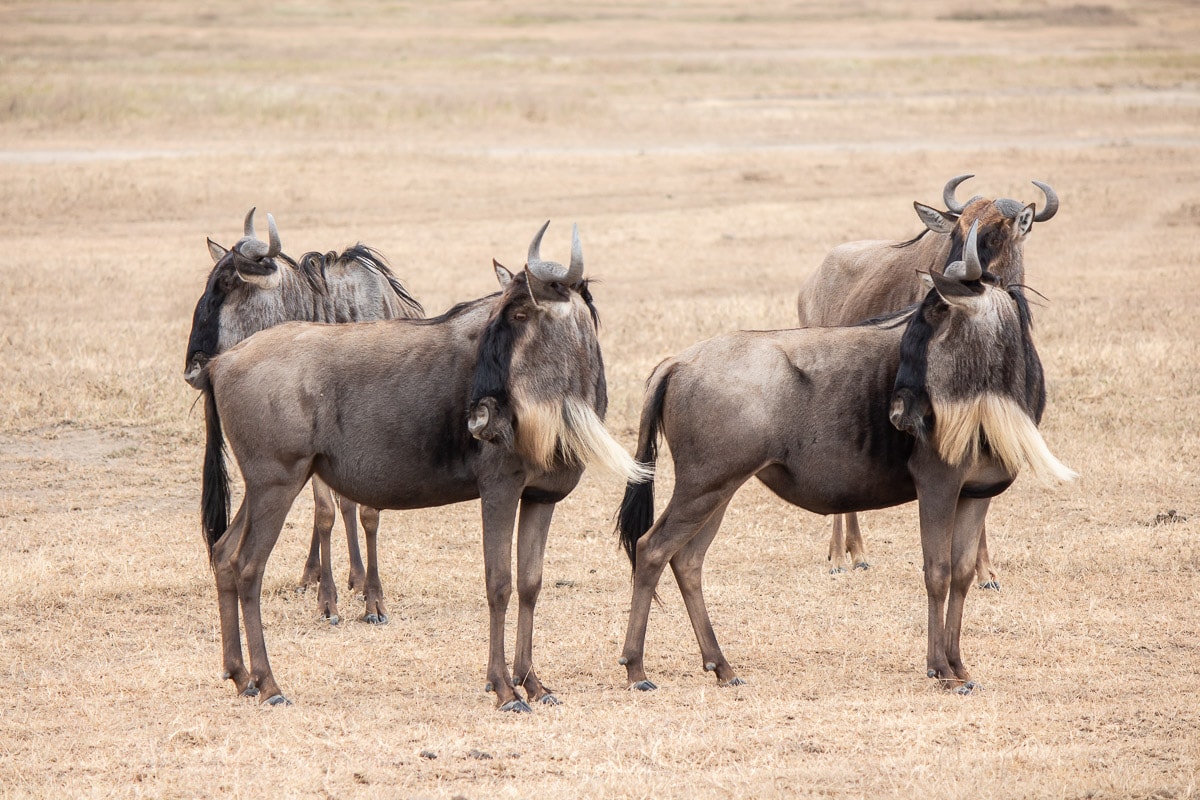
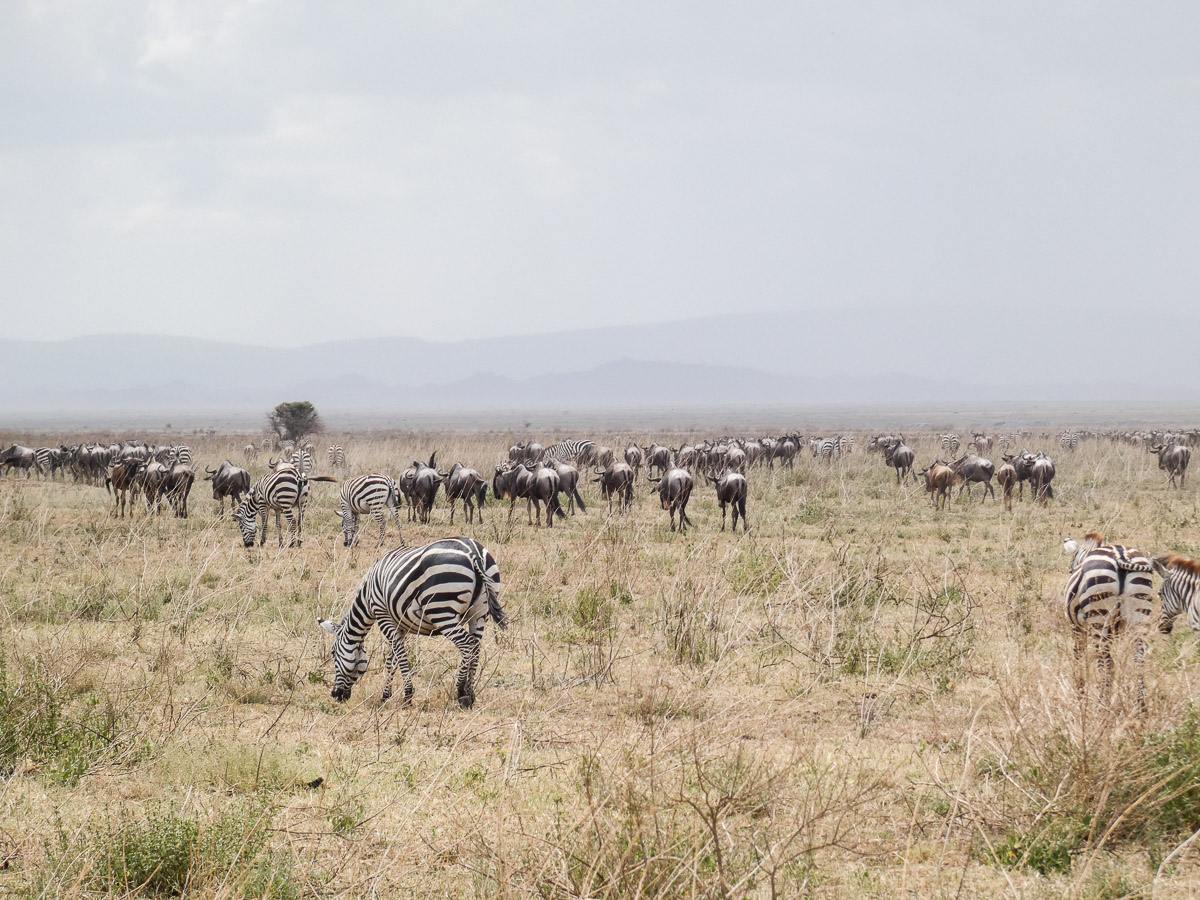
An extraordinary safari experience
Imagine thousands of wildebeest gathering by a river. The herd hesitates, then one animal steps forward and the others follow. Hooves thunder, dust rises and crocodiles wait beneath the surface. Nearby, lions watch for an opportunity and vultures circle overhead.
This is nature at its most unpredictable, powerful and memorable. River crossings cannot be guaranteed.
The wildebeest’s continuous journey
Herds travel through Serengeti and Maasai Mara following rainfall, fresh grazing and water. Their movements vary each year; the calendar below is a broad guide, not a promise of sightings or crossings.
The Great Migration through the seasons
January–March
Calving season
Southern Serengeti and Ndutu. Newborn wildebeest and active predators on the plains.
April–June
Herds on the move
Herds move through central and western Serengeti towards the north, following available grazing.
July–October
Northern Serengeti and Maasai Mara
Herds may cross rivers as they move between Tanzania and Kenya. Timing is unpredictable and crossings cannot be guaranteed.
November–December
Returning south
Short rains bring fresh grazing, and herds move south as the cycle continues.
Safari highlights
- Vast wildebeest herds — an extraordinary land migration.
- River crossings — dramatic encounters with powerful currents and predators.
- Zebra, gazelles and predators — remarkable concentrations of wildlife.
- Following the rain — a continuous search for fresh grass and water.
- A natural spectacle — an unforgettable experience for nature lovers and photographers.
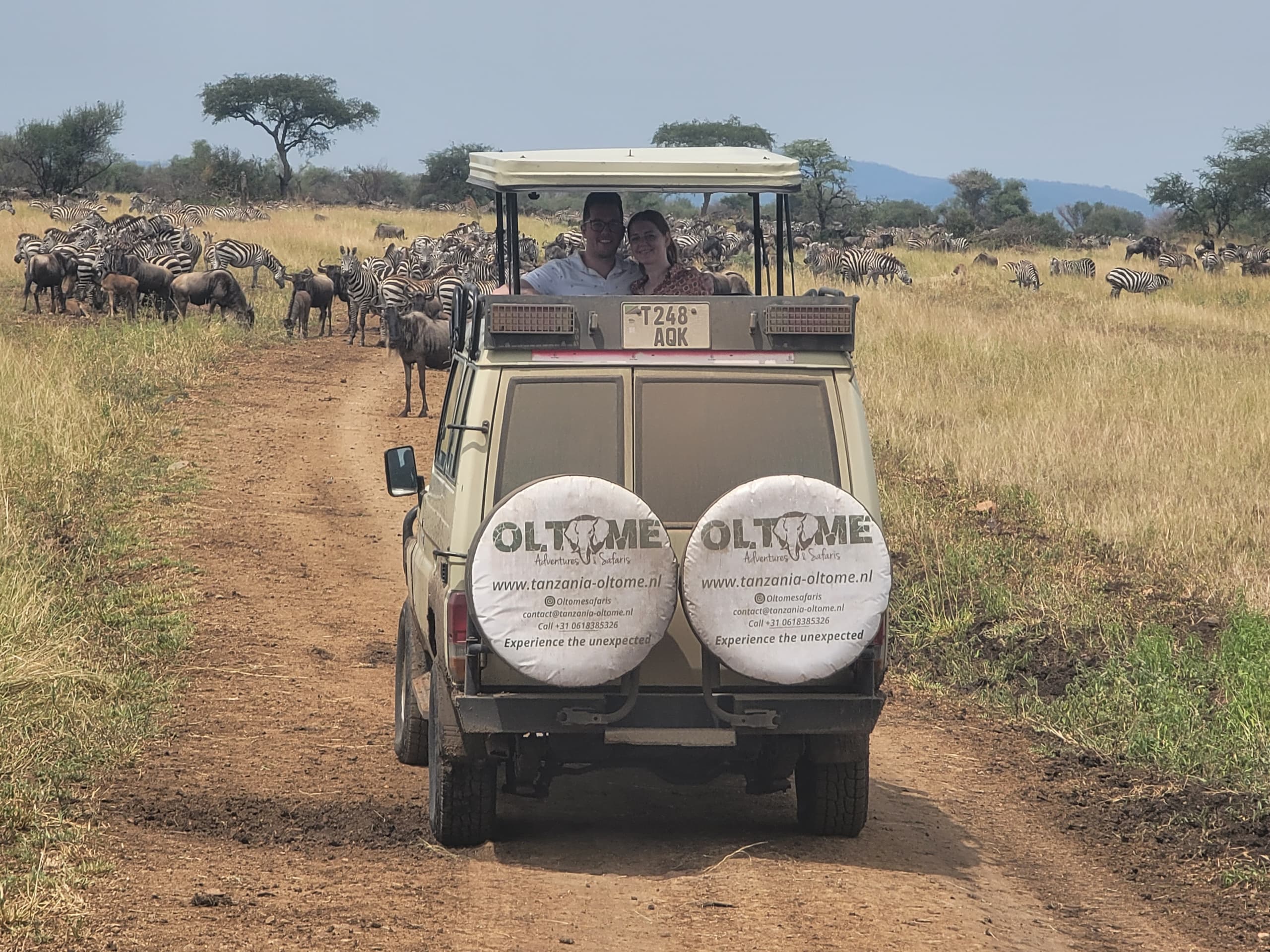
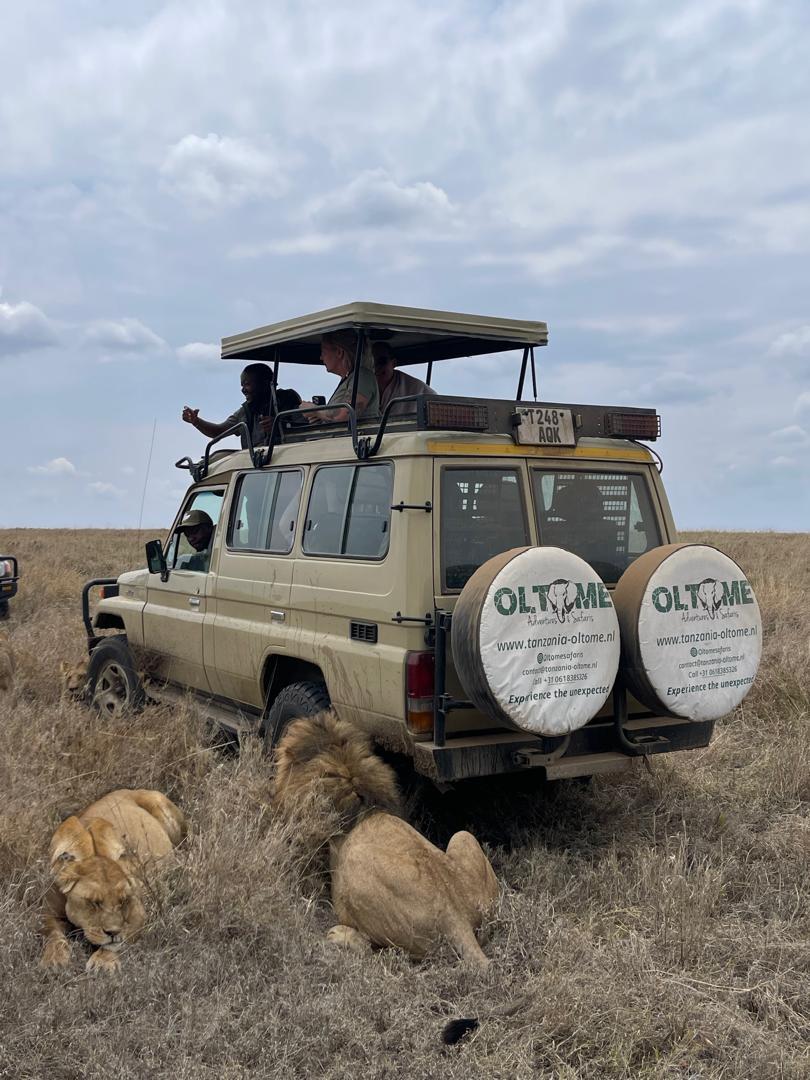
What makes the Great Migration special
The Great Migration is much more than animals moving across a landscape. It changes constantly, from herds filling the horizon and encounters with predators to newborn calves taking their first steps and dramatic river crossings.
Whether this is your first safari or you have visited Africa before, no two migration experiences are the same.
Frequently asked questions
Can I also see the Big Five?
A migration safari offers opportunities to see lions, elephants, buffalo and leopards. Rhinos are rarer in Serengeti; a visit to Ngorongoro Crater may offer another opportunity. No sighting is guaranteed.
Is a migration safari suitable for families?
It can be a memorable experience for families, couples, friends and solo travellers. Some accommodation has minimum-age requirements, so discuss your family’s needs with us.
How many days should I allow?
We suggest six to ten days for a fuller experience, with time to explore different parts of Serengeti and follow the migration.
Stay close to the migration
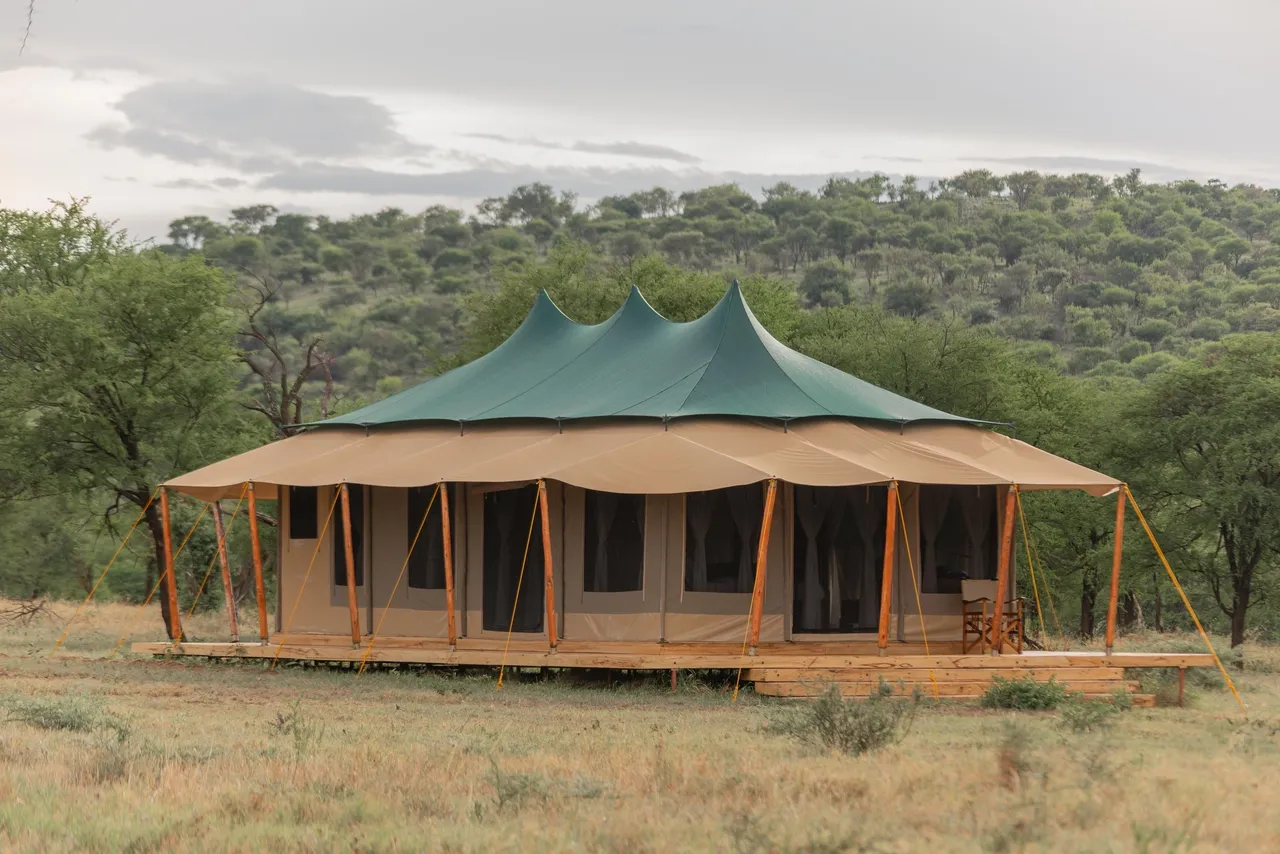
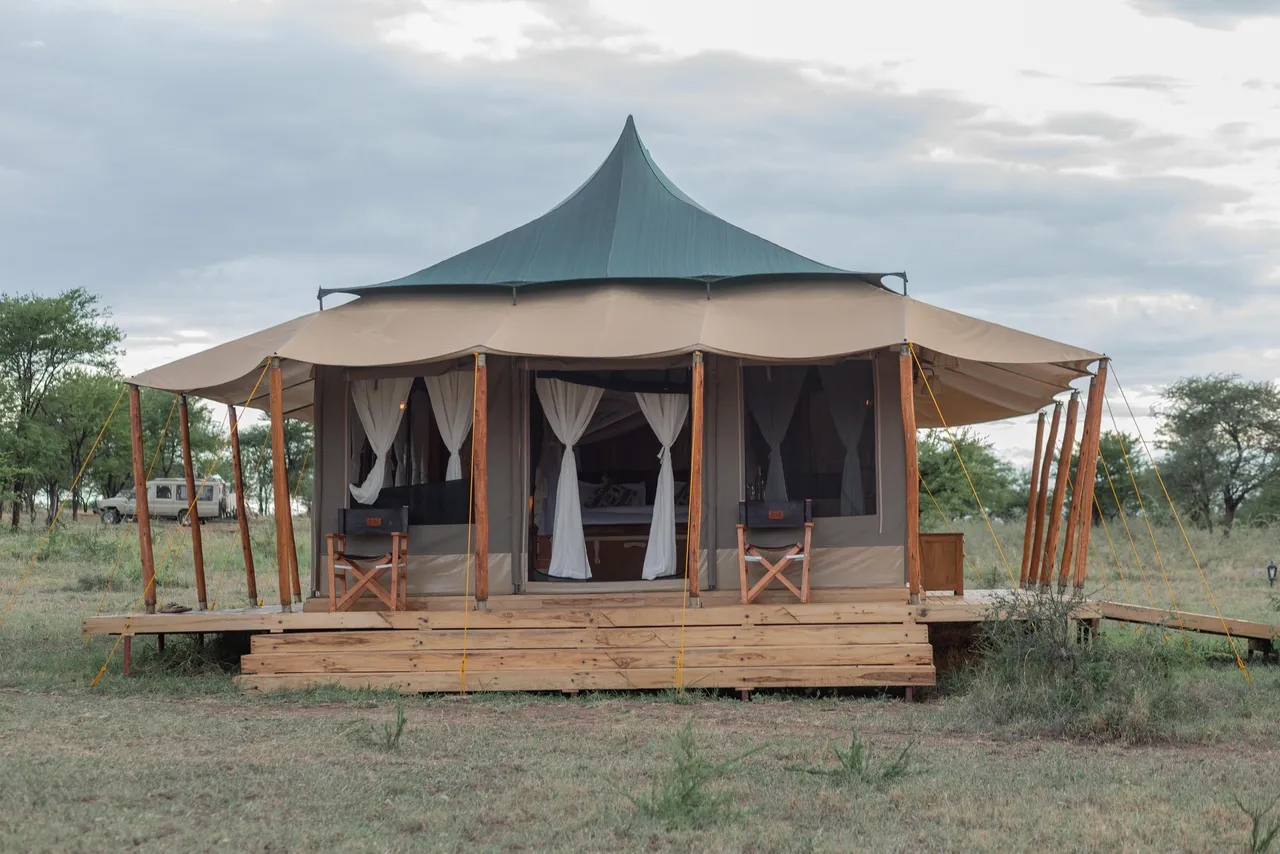
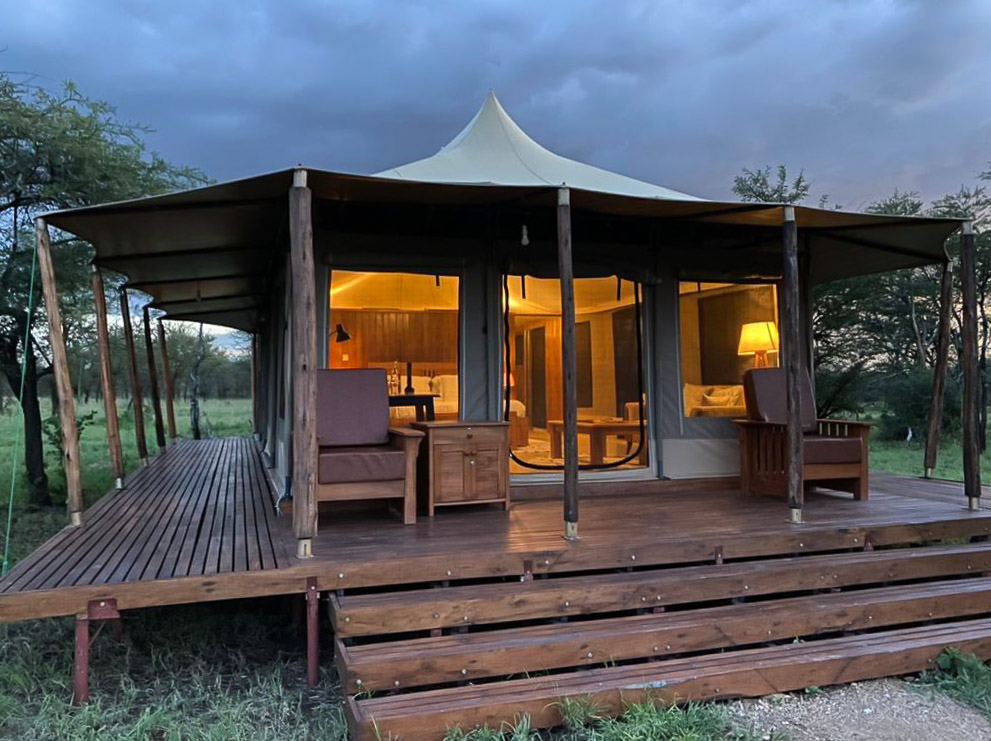
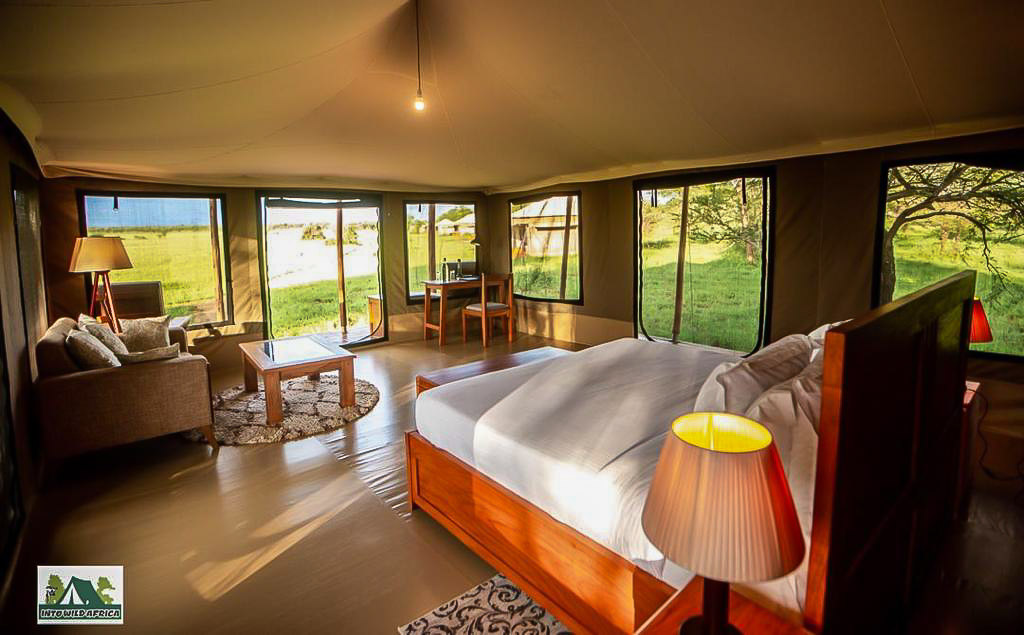
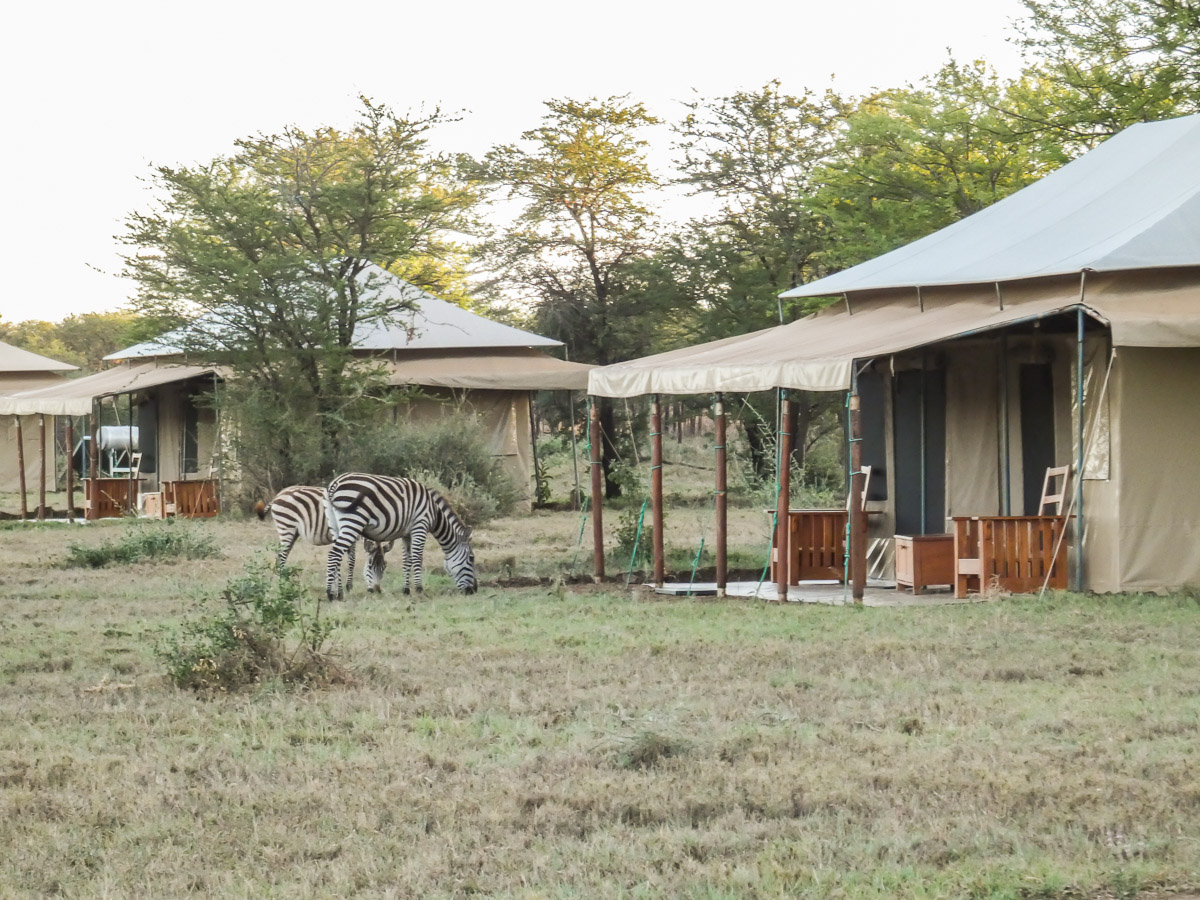
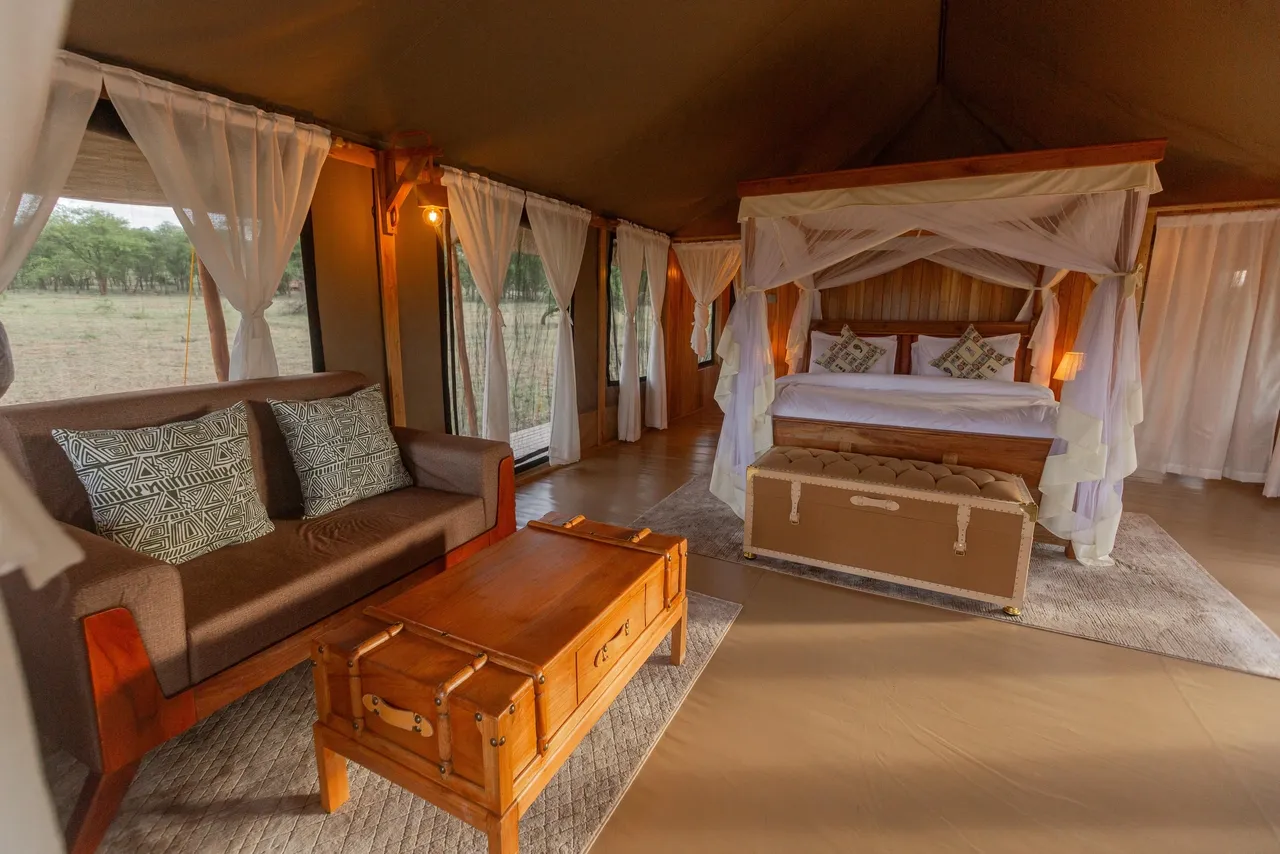
Accommodation can be an experience in itself. Mobile tented camps move seasonally to be closer to the migration, combining comfortable beds, private bathrooms, thoughtful interiors and personal service. The real appeal is being surrounded by nature: dining, sleeping and waking to the sounds of the wilderness.


Experienced local guides
Our experienced guides know Serengeti and keep track of herd movements, helping you make the most of your opportunity to experience the migration.
Carefully selected accommodation
We work with comfortable lodges and atmospheric tented camps in locations well suited to your safari.

Flexible itineraries
The migration follows rainfall and nature. We plan your route around the season and the herds’ current movements.
A relaxed pace
A safari should not feel like a race. We allow time for game drives, photography stops and enjoying the landscape at a relaxed pace.
Activities
Jeep Safari
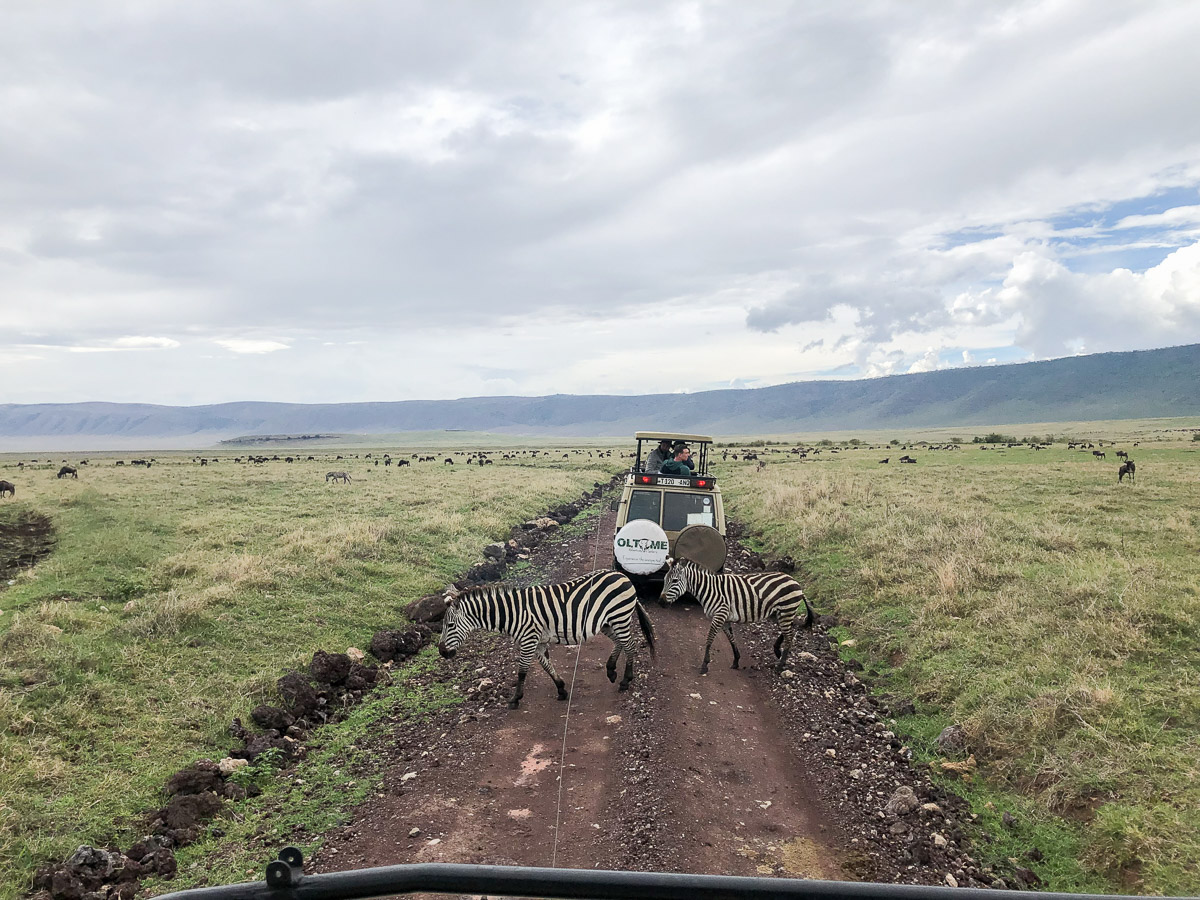
A safari vehicle with a pop-up roof offers open views across the Serengeti plains. With an experienced guide, follow the herds’ movements and discover the landscapes and animals around them. From wildebeest and zebra to waiting predators, every game drive is different.
Wildlife you may encounter
The migration is about more than wildebeest. The abundance of grazing animals also creates opportunities to encounter many of Africa’s best-known species.
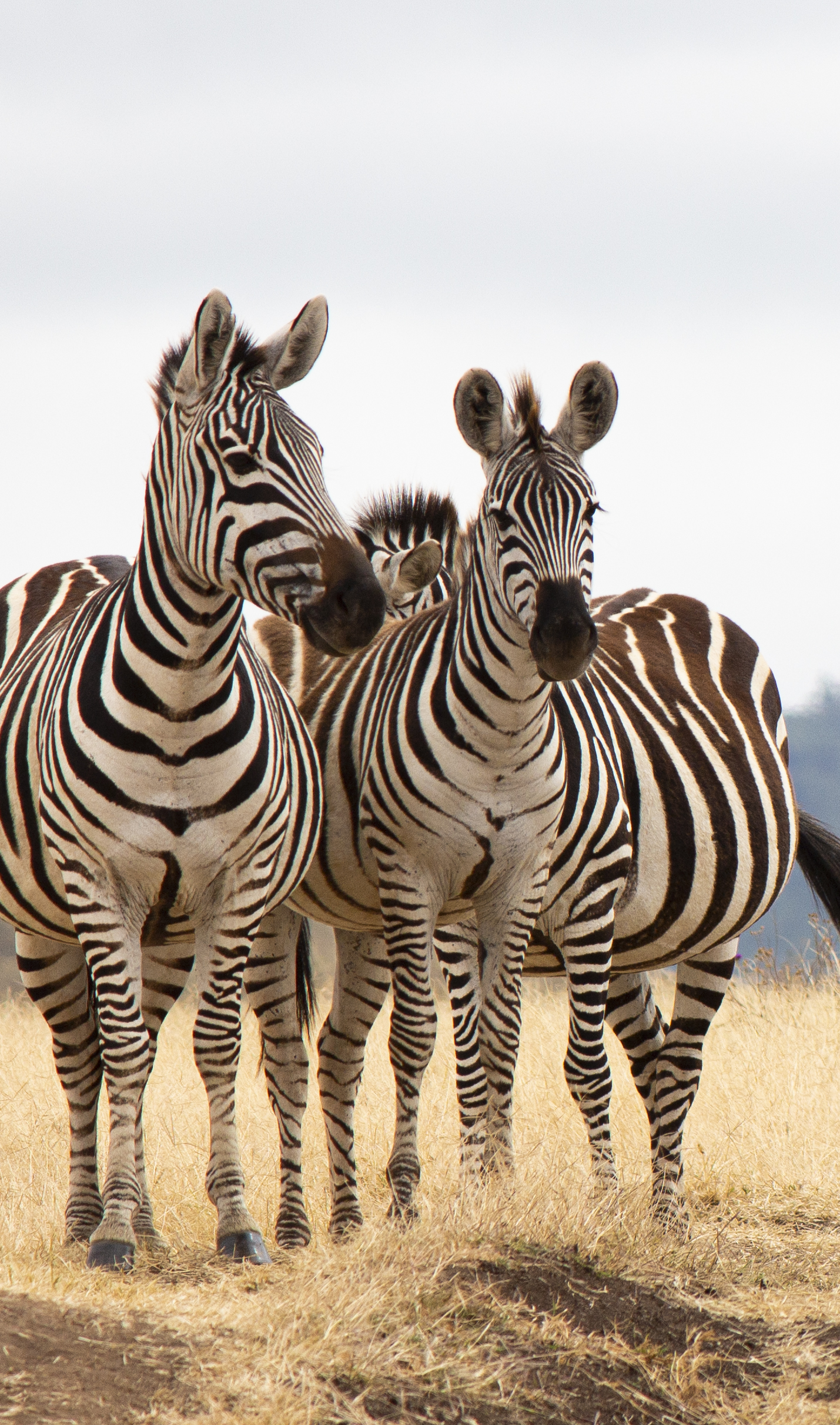
| Zebra | Cheetahs | Buffalo |
| Gazelles | Birds | Impala |
| Giraffes | Nile crocodiles | Elephants |
| Leopards | Lions | Hyenas |
Why Oltome
Tanzania is more than a destination to us: it is home. Oltome Adventures & Safaris was founded by Santus, who was born and raised in Tanzania and has a background in wildlife and tourism. Living in the Netherlands, he combines local knowledge with an understanding of Dutch travellers’ expectations. We create personal, carefully planned journeys that introduce you to Tanzania’s landscapes, people, cultures and stories.